Blog & Resources

Expert insights on addiction recovery, mental health, and family support from the clinical team at HHAT Clinic in Eugene, Oregon.

Recovery Knowledge & Insights

Browse our collection of expert articles covering addiction information, recovery strategies, mental health guidance, family support, and the latest news from HHAT Clinic.

Featured Article

Our latest and most important resource for families throughout Eugene and the Willamette Valley

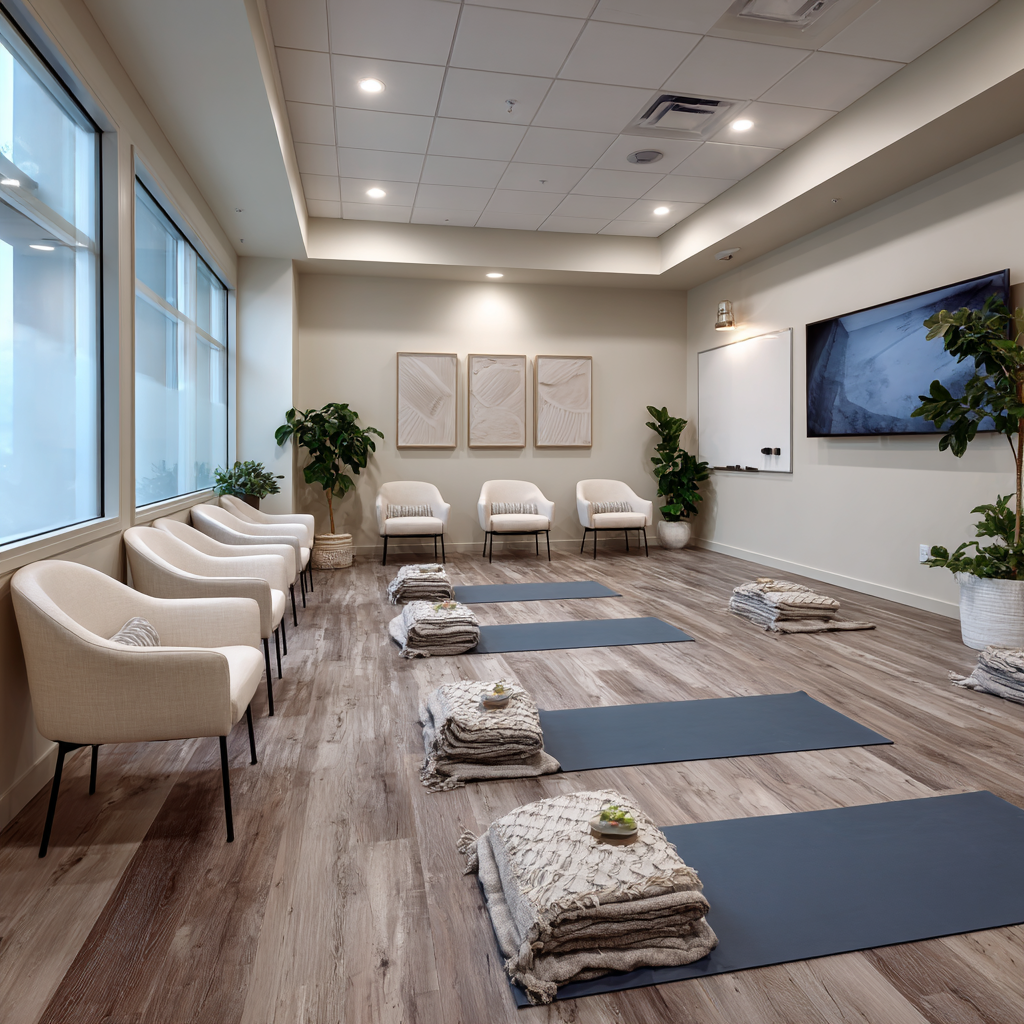
Recognizing signs of opioid addiction in Eugene Oregon families
Addiction Information

Recognizing the Signs of Opioid Addiction: What Eugene Families Should Know

Opioid addiction continues to devastate communities across Oregon. Learn the behavioral, physical, and emotional warning signs that Eugene families should recognize early, and discover how HHAT Clinic can guide your family toward recovery.

January 15, 2026 • HHAT Clinic Editorial Team

Read Full Article →

Latest Articles

Expert recovery resources, treatment insights, and community news from our clinical team

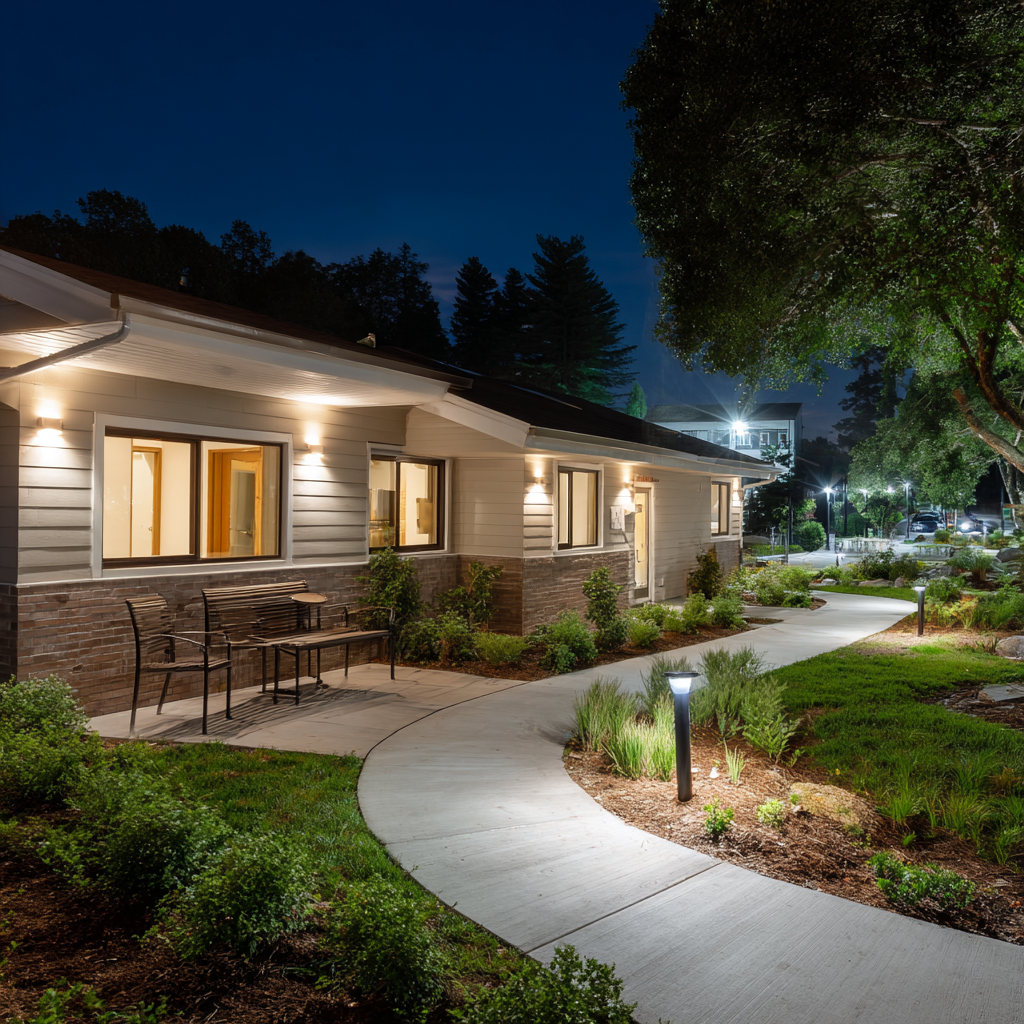
Evidence-based tips for early recovery at HHAT Clinic Eugene
Recovery Tips

5 Evidence-Based Tips for Early Recovery from HHAT Clinic Experts

The first weeks of recovery are critical. Our clinical team shares five proven strategies to build a strong foundation for lasting sobriety at our Eugene treatment center.

January 28, 2026 • HHAT Clinic Editorial Team

Read Full Article →
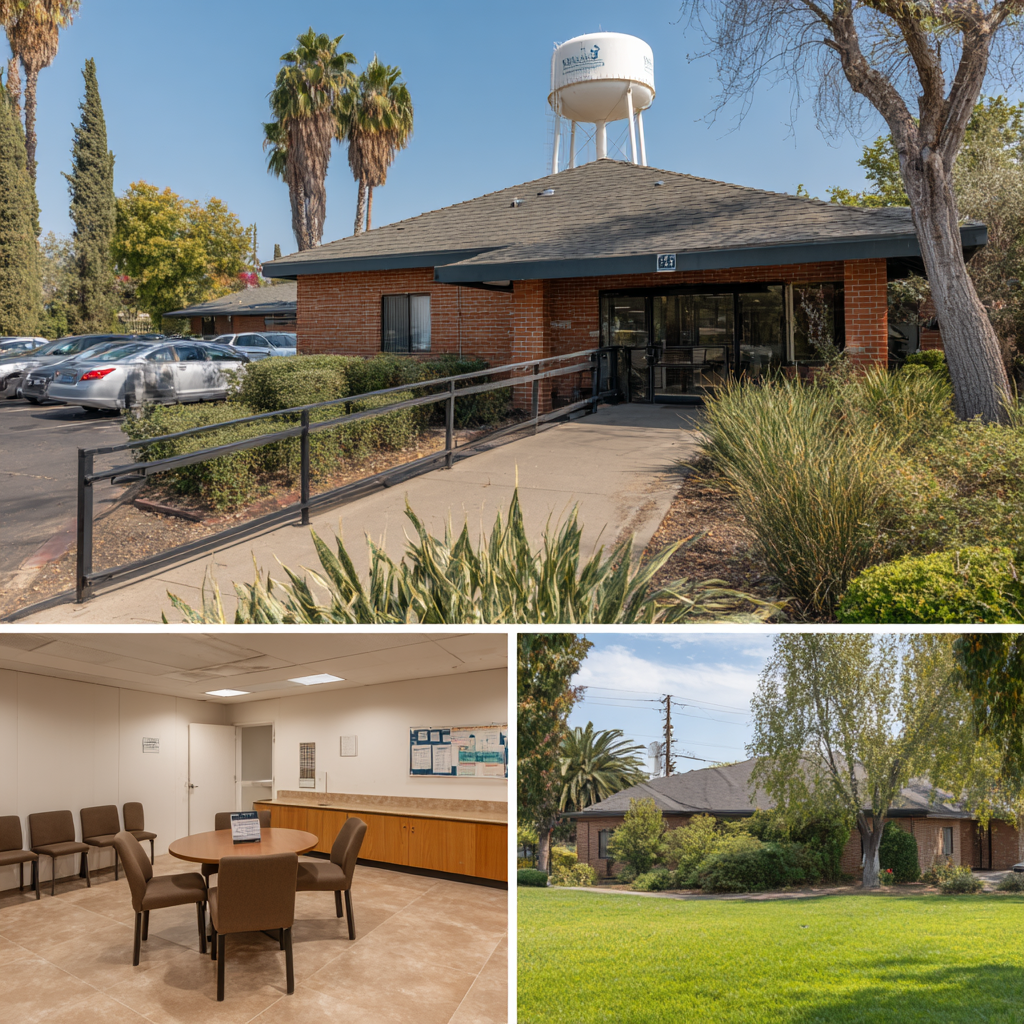
Supporting a loved one with addiction in Oregon
Family Support

How to Support a Loved One Struggling with Addiction in Oregon

Watching someone you love battle addiction is heartbreaking. This guide offers practical steps Oregon families can take to provide meaningful support while protecting their own well-being.

February 3, 2026 • HHAT Clinic Editorial Team

Read Full Article →
Dual diagnosis treatment at HHAT Clinic Eugene Oregon
Mental Health

Understanding Dual Diagnosis Treatment at HHAT Clinic in Eugene

Nearly half of people with substance use disorders also experience co-occurring mental health conditions. Learn how HHAT Clinic addresses both simultaneously for comprehensive healing.

February 8, 2026 • HHAT Clinic Editorial Team

Read Full Article →
HHAT Clinic expands holistic therapy programs for 2026
News & Updates

HHAT Clinic Expands Holistic Therapy Programs for 2026

HHAT Clinic is expanding our holistic and experiential therapy offerings throughout 2026, including new mindfulness, art therapy, and nature-based programs at our Eugene facility.

February 12, 2026 • HHAT Clinic Editorial Team

Read Full Article →
Addiction Information

Recognizing the Signs of Opioid Addiction: What Eugene Families Should Know

Published: January 15, 2026 • By HHAT Clinic Editorial Team

Opioid addiction remains one of the most devastating public health challenges facing Oregon communities today, and Eugene is far from immune. According to the Oregon Health Authority, opioid-related overdose deaths have continued to climb across Lane County, affecting families from all walks of life regardless of income, education, or background. At HHAT Clinic, located at 3403 W 7th Ave in Eugene, our clinical team works every day with families who are confronting this crisis firsthand. Understanding the early warning signs of opioid addiction is the single most important step you can take to protect the people you love and connect them with life-saving treatment.

The Quiet Progression from Prescription to Dependence

One of the most insidious aspects of opioid addiction is how silently it develops. Many individuals who eventually struggle with opioid use disorder begin with a legitimate prescription for pain management following surgery, a workplace injury, or a chronic pain condition. In Eugene, where an active outdoor lifestyle sometimes leads to sports injuries and accidents, this pathway is especially common. The transition from prescribed use to physical dependence can occur over just a few weeks of consistent use.

Opioids function by binding to mu-opioid receptors in the brain and spinal cord, suppressing pain signals while simultaneously triggering the release of dopamine in the brain's reward centers. Over time, the brain's chemistry adapts to the constant presence of these substances, requiring increasingly larger doses to produce the same pain relief and euphoric effects. This process, known as tolerance, is the biological foundation of physical dependence. When the drug is no longer available, the body responds with painful withdrawal symptoms, creating a powerful cycle that drives continued use. Substances like fentanyl, heroin, and prescription painkillers such as oxycodone and hydrocodone all operate through this same mechanism, making the entire class of drugs extremely addictive.

Behavioral Warning Signs Eugene Families Should Watch For

Behavioral changes are typically the earliest indicators that a loved one may be developing an opioid problem. While any single change might be attributable to stress, life transitions, or other factors, a cluster of the following behaviors should prompt serious concern:

  • Social withdrawal: Pulling away from family gatherings, community activities, and longtime friendships. In Eugene, this might look like missing regular events at local parks, skipping gatherings with friends, or abandoning beloved Willamette Valley hiking routines.
  • Secrecy and deception: Unexplained absences, locked phone screens, frequent private conversations, and evasiveness about whereabouts and daily activities.
  • Financial instability: Sudden requests for money without clear explanations, missing valuables from the home, unopened bills, and new debts that seem out of character.
  • Doctor shopping: Visiting multiple healthcare providers to obtain additional prescriptions, or traveling outside Eugene to pharmacies where they are not recognized.
  • Neglecting obligations: Declining work performance, missed school assignments, forgotten appointments, and a general pattern of unreliability that is new to the person's character.
  • New social circles: Spending time with unfamiliar people while distancing from established, trusted relationships.

Physical Symptoms That Signal Opioid Use

Opioid use produces distinctive physical effects that attentive family members can learn to identify. These symptoms vary in intensity depending on the substance, dosage, and duration of use, but the following are among the most common:

  • Constricted pupils: Noticeably pinpoint-sized pupils regardless of lighting conditions remain one of the most reliable physical indicators of active opioid use.
  • Excessive drowsiness: Nodding off at inappropriate times, appearing sedated during conversations, or difficulty maintaining wakefulness throughout the day.
  • Disrupted sleep cycles: Sleeping much more than usual, sleeping at odd hours, or exhibiting unusual restlessness during the night.
  • Unexplained weight changes: Sudden loss of appetite and noticeable weight loss over a short period of time.
  • Flu-like withdrawal symptoms: When the person cannot access opioids, they may display body aches, nausea, vomiting, excessive sweating, chills, and diarrhea.
  • Injection marks: Small puncture wounds on the arms, hands, or feet. Individuals may begin wearing long sleeves even during Oregon's warm summer months to conceal these marks.

Emotional and Psychological Red Flags

The emotional toll of opioid addiction extends far beyond the physical symptoms. Families in Eugene often describe dramatic shifts in their loved one's personality and emotional regulation:

  • Severe mood swings: Rapid oscillation between euphoria and extreme irritability, often tied to whether the person has recently used.
  • Heightened anxiety: Persistent worry, especially around the availability of their substance, and fear of being confronted or discovered.
  • Depression and hopelessness: A pervasive loss of interest in previously enjoyable activities, expressions of worthlessness, and a sense that recovery is impossible.
  • Defensive hostility: Becoming combative, argumentative, or aggressive when questioned about their behavior, health, or substance use.
  • Cognitive impairment: Difficulty concentrating, poor short-term memory, confusion, and impaired judgment in daily decision-making.

Taking Action: How HHAT Clinic Can Help Your Family

If you recognize multiple warning signs in someone you love, the most important step is to respond with compassion rather than confrontation. Opioid use disorder is a medical condition rooted in changes to brain chemistry, not a moral failure, and the person struggling needs professional clinical support to recover safely. At HHAT Clinic in Eugene, we offer a full continuum of care specifically designed to address opioid addiction:

  • Medical detoxification: Our supervised detox program provides 24/7 medical monitoring to manage withdrawal symptoms safely and comfortably, reducing the physical barriers to beginning recovery.
  • Residential treatment: For individuals who need immersive, round-the-clock therapeutic support in a structured environment away from the triggers of daily life.
  • Partial Hospitalization Program (PHP): Intensive daytime treatment that allows patients to return home in the evenings, bridging the gap between inpatient and outpatient care.
  • Intensive Outpatient Program (IOP) and standard outpatient: Flexible programming that integrates treatment with the responsibilities of daily life, including work and family obligations.
  • Aftercare planning: Long-term relapse prevention strategies, alumni programming, and ongoing support to maintain sobriety after completing primary treatment.

You do not have to navigate this journey alone. Contact HHAT Clinic today at (971) 509-8585 to speak with an admissions coordinator who can help you understand your options and take the first step toward healing. Our treatment center at 3403 W 7th Ave in Eugene, Oregon is here to serve families throughout Lane County and the entire Willamette Valley.

Recovery Tips

5 Evidence-Based Tips for Early Recovery from HHAT Clinic Experts

Published: January 28, 2026 • By HHAT Clinic Editorial Team

The first weeks and months of recovery from substance addiction represent both the most vulnerable and the most transformative period of the entire healing journey. Research consistently shows that the decisions, habits, and support systems established during early recovery play a decisive role in determining long-term outcomes. At HHAT Clinic in Eugene, Oregon, our clinical team has guided thousands of individuals through this critical window, and we have identified five evidence-based strategies that dramatically improve the odds of sustained sobriety. Whether you are recovering from alcohol addiction, opioid dependence, methamphetamine use, or any other substance use disorder, these principles can help you build a foundation strong enough to support a lifetime of recovery.

1. Commit to a Structured Daily Routine

One of the most well-supported findings in addiction recovery research is the protective power of routine. During active addiction, daily life often revolves around obtaining, using, and recovering from substances. When those behaviors are removed, the resulting void of unstructured time can be profoundly destabilizing. Studies published in the Journal of Substance Abuse Treatment demonstrate that individuals who establish and maintain consistent daily schedules during early recovery experience significantly lower relapse rates.

At HHAT Clinic, we build this principle into every level of our care programming, from residential treatment through our Intensive Outpatient Program. Our patients in Eugene learn to structure their days around consistent wake times, regular meals, scheduled therapy sessions, exercise, and dedicated time for personal reflection and leisure. The goal is not rigidity but predictability: when your brain knows what to expect throughout the day, it spends less energy managing uncertainty and more energy on healing. Start by establishing a consistent wake-up time, planning meals ahead, scheduling at least 30 minutes of physical activity, and designating specific times for recovery-related activities like journaling, meditation, or attending support meetings in the Eugene area.

2. Build a Sober Support Network Before You Need It

Isolation is one of the most dangerous risk factors for relapse, particularly during the fragile first months of recovery. The National Institute on Drug Abuse identifies social support as one of the strongest predictors of long-term sobriety. Yet many people entering recovery find that their previous social circles were built around substance use, leaving them without a reliable network of sober connections.

Eugene offers a robust recovery community that HHAT Clinic actively helps our patients connect with. This includes local 12-step meetings, SMART Recovery groups, faith-based recovery programs, and sober social activities throughout Lane County. During your time in our PHP or IOP programs, our counselors work with you to identify specific people, groups, and community resources that will form your support network after you complete formal treatment. The key is to build these connections proactively rather than waiting until a crisis strikes. Exchange phone numbers, commit to regular meeting attendance, and practice reaching out for support even when things are going well. These small investments pay enormous dividends when temptation or difficulty inevitably arrives.

3. Prioritize Physical Health as a Recovery Foundation

The connection between physical health and addiction recovery is not merely anecdotal; it is deeply rooted in neuroscience. Substance abuse disrupts the body's production and regulation of neurotransmitters including dopamine, serotonin, and endorphins. Regular physical exercise has been shown to stimulate the natural production of these same chemicals, helping to restore the brain's reward system without reliance on external substances. A 2023 meta-analysis published in the journal Addiction found that structured exercise programs reduced substance use relapse rates by an average of 27 percent.

Eugene's natural environment offers exceptional opportunities for recovery-supportive physical activity. Our clinical team at HHAT Clinic frequently recommends activities like walking along the Willamette River path, hiking at Spencer Butte, cycling on the city's extensive bike trail network, and participating in community yoga classes. Beyond exercise, prioritizing nutrition is equally critical. Years of substance use often leave the body depleted of essential vitamins and minerals. Our treatment programs include nutritional counseling to help patients rebuild their physical health from the inside out, addressing deficiencies commonly associated with alcohol addiction, opioid dependence, and stimulant use.

4. Develop Healthy Coping Mechanisms for Triggers and Cravings

Triggers and cravings are inevitable parts of early recovery, and learning to manage them effectively is perhaps the single most important skill you will develop. Cognitive Behavioral Therapy, which forms a cornerstone of our treatment approach at HHAT Clinic, teaches patients to recognize the thoughts, emotions, and situations that precede cravings and to develop alternative responses that do not involve substance use.

Our therapists in Eugene work with each patient to create a personalized coping toolkit that includes multiple strategies for different situations. Deep breathing techniques and progressive muscle relaxation can address the immediate physical intensity of a craving. Cognitive restructuring helps you challenge the distorted thinking patterns that tell you using will solve a problem or that one use will not matter. Behavioral strategies like calling a sponsor, attending a meeting, engaging in a physical activity, or practicing a grounding exercise provide concrete actions to take when cravings feel overwhelming. The Dialectical Behavior Therapy skills taught in our programs, including mindfulness, distress tolerance, emotion regulation, and interpersonal effectiveness, equip patients with a comprehensive framework for managing the full spectrum of challenges that early recovery presents.

5. Engage Fully in Aftercare and Long-Term Planning

Completing a formal treatment program at HHAT Clinic is a monumental achievement, but it is the beginning of recovery rather than the end. Research from the Substance Abuse and Mental Health Services Administration consistently shows that individuals who participate in structured aftercare programs following primary treatment maintain significantly higher rates of sustained sobriety compared to those who do not. Our aftercare program at HHAT Clinic includes ongoing individual therapy, alumni group meetings, periodic check-ins with your treatment team, and access to crisis support resources throughout Eugene and Lane County.

Long-term recovery planning also involves addressing the practical dimensions of life that substance use may have disrupted. This includes rebuilding career skills, repairing relationships through family therapy, addressing legal or financial obligations, and establishing stable housing. At HHAT Clinic, our case managers work with patients during their time in treatment to develop comprehensive aftercare plans that address all of these areas. We believe that lasting recovery requires attention not only to the addiction itself but to the entire life circumstances that surround it. If you or someone you love is ready to begin the journey toward recovery, contact HHAT Clinic at (971) 509-8585. Our Eugene treatment center offers the full continuum of care, from detox through aftercare, to support every stage of healing.

Family Support

How to Support a Loved One Struggling with Addiction in Oregon

Published: February 3, 2026 • By HHAT Clinic Editorial Team

When someone you love is struggling with addiction, the experience can be overwhelming, confusing, and profoundly isolating. You may feel helpless watching their health deteriorate, their relationships fracture, and their potential slip away. You may have tried everything you can think of, from pleading and bargaining to ultimatums and tough love, only to find that nothing seems to work. If this describes your situation, you are not alone. Across Oregon, from Eugene and Springfield to Portland and Bend, hundreds of thousands of families are navigating the same agonizing reality. At HHAT Clinic, we understand that addiction is a family disease, and we believe that equipping family members with the right knowledge and tools is essential to achieving lasting recovery for everyone involved.

Understanding Addiction as a Medical Condition

The first and most fundamental shift that family members must make is understanding that addiction is a chronic medical condition, not a choice, a character flaw, or a sign of moral weakness. The American Medical Association, the American Society of Addiction Medicine, and every major medical organization in the world recognize substance use disorder as a brain disease characterized by compulsive substance use despite harmful consequences. The changes that drugs and alcohol produce in the brain's reward circuitry, stress systems, and executive function areas are measurable, documented, and real.

This understanding matters because it changes how you approach your loved one. When you recognize that their behavior is driven by altered brain chemistry rather than willful defiance, you can respond with compassion rather than anger. This does not mean accepting or enabling destructive behavior. It means separating the person you love from the disease that is controlling their actions. At HHAT Clinic in Eugene, our family education programs help loved ones understand the neuroscience of addiction so they can participate in the recovery process from a position of knowledge and empathy rather than fear and frustration.

Setting Healthy Boundaries Without Enabling

One of the most difficult challenges for family members of someone with addiction is distinguishing between support and enabling. Enabling occurs when well-intentioned actions actually remove the natural consequences of substance use, thereby allowing the addiction to continue unchecked. Common enabling behaviors include making excuses for missed work or social obligations, providing money that may be used to purchase substances, covering debts, taking over responsibilities the person has abandoned, and minimizing the severity of the problem to others.

Healthy boundaries, by contrast, communicate love and concern while maintaining clear limits. Examples include stating that you will not provide financial assistance unless it goes directly toward treatment or basic needs verified by a third party. You might establish that substance use is not permitted in your home and that you will not engage in conversations when the person is intoxicated. You can express your willingness to support their recovery in specific ways, such as driving them to appointments at HHAT Clinic or attending family therapy sessions, while being clear that you will not participate in behaviors that perpetuate the addiction cycle.

The Power of Professional Intervention

If your loved one is resistant to seeking treatment, a professionally facilitated intervention may be the catalyst that breaks through denial and motivates change. Modern intervention approaches have evolved significantly from the confrontational models of decades past. Today's evidence-based methods, such as the ARISE model and Community Reinforcement and Family Training (CRAFT), emphasize compassion, clear communication, and presenting treatment as a supportive opportunity rather than a punishment.

At HHAT Clinic, our admissions team can guide Oregon families through the intervention process, helping you prepare for the conversation, understand what to expect, and have a treatment plan ready to implement immediately if your loved one agrees to accept help. Our treatment programs in Eugene include medical detoxification for safe withdrawal management, residential treatment for immersive 24/7 care, Partial Hospitalization Programs for intensive daytime treatment, and Intensive Outpatient Programs that allow patients to maintain some daily responsibilities while receiving comprehensive clinical support. Having a specific plan in place before the intervention occurs dramatically increases the likelihood that your loved one will follow through with entering treatment.

Taking Care of Yourself: The Oxygen Mask Principle

Every flight safety briefing includes the instruction to secure your own oxygen mask before assisting others, and this principle applies directly to families dealing with addiction. The chronic stress of living with or loving someone who has a substance use disorder takes a measurable toll on your own physical and mental health. Research published in the Journal of Family Psychology shows that family members of individuals with addiction experience elevated rates of anxiety, depression, cardiovascular disease, and immune system dysfunction.

Prioritizing your own well-being is not selfish; it is essential. Consider joining a family support group such as Al-Anon, Nar-Anon, or a family support group specific to your community in Eugene. Seek individual therapy with a counselor who specializes in family systems and addiction. Maintain your own physical health through regular exercise, nutritious eating, and adequate sleep. Engage in activities that bring you joy and connection outside of the addiction dynamic. At HHAT Clinic, our family program includes dedicated support for the loved ones of our patients, because we know that when the entire family system heals, the odds of lasting recovery increase dramatically.

How HHAT Clinic Supports Oregon Families

Our treatment center at 3403 W 7th Ave in Eugene, Oregon offers comprehensive family programming integrated into every level of care. This includes multi-family group therapy sessions where families learn from shared experiences, individual family therapy to address specific relationship dynamics, education workshops on addiction science and communication skills, and aftercare planning that involves the entire family support system. We also specialize in trauma-informed care, recognizing that addiction often co-occurs with traumatic experiences that affect the entire family unit.

Whether your loved one is struggling with alcohol, opioids, heroin, fentanyl, cocaine, methamphetamine, prescription drugs, or benzodiazepines, HHAT Clinic has the expertise and programs to help. Our continuum of care, from detox through residential, PHP, IOP, outpatient, and aftercare, ensures that your loved one receives the right level of support at every stage of their recovery. Call us today at (971) 509-8585 to speak with a compassionate admissions coordinator who can answer your questions and help your family take the first step toward healing.

Mental Health

Understanding Dual Diagnosis Treatment at HHAT Clinic in Eugene

Published: February 8, 2026 • By HHAT Clinic Editorial Team

If you or someone you love is struggling with both a substance use disorder and a mental health condition, you are experiencing what clinicians call a dual diagnosis, or co-occurring disorders. This is far more common than most people realize. According to the National Survey on Drug Use and Health, approximately 9.2 million adults in the United States live with both a mental health disorder and a substance use disorder simultaneously. In Oregon, where rates of both mental illness and substance abuse exceed national averages, dual diagnosis treatment is not a specialized luxury; it is a clinical necessity. At HHAT Clinic in Eugene, integrated dual diagnosis treatment is woven into every program we offer, because we know from decades of research and clinical experience that treating only one condition while ignoring the other virtually guarantees that neither will be effectively resolved.

What Makes Dual Diagnosis So Complex?

The relationship between mental health disorders and substance use disorders is bidirectional, meaning each condition actively fuels and worsens the other. Consider a person living in Eugene who suffers from untreated anxiety disorder. The constant tension, racing thoughts, and overwhelming sense of dread that characterize anxiety may lead them to self-medicate with alcohol or benzodiazepines, finding temporary relief in the sedating effects of these substances. Over time, however, regular substance use alters brain chemistry in ways that actually intensify anxiety symptoms during periods of withdrawal, creating a vicious cycle where the person needs more of the substance to achieve the same temporary calm.

This pattern plays out across virtually every combination of mental health and substance use disorders. Depression drives people toward stimulants like cocaine or methamphetamine seeking energy and euphoria, which ultimately deplete dopamine stores and worsen depressive symptoms. Post-traumatic stress disorder leads individuals to numb emotional pain with opioids or alcohol, while the neurological effects of chronic substance use heighten the brain's stress response and make PTSD symptoms more severe. Bipolar disorder, schizophrenia, ADHD, personality disorders, and eating disorders all show similarly complex interactions with substance use.

The Integrated Treatment Approach at HHAT Clinic

Historically, the healthcare system treated mental health and substance use disorders separately, often requiring patients to address one condition before being eligible for treatment of the other. This siloed approach has been thoroughly discredited by research demonstrating that integrated treatment, where both conditions are addressed simultaneously by the same clinical team, produces dramatically better outcomes. HHAT Clinic in Eugene was built on this integrated model from the ground up.

Our dual diagnosis treatment begins with a comprehensive psychiatric evaluation conducted by our licensed clinical team within the first 48 hours of admission. This assessment identifies all co-occurring mental health conditions, evaluates their severity and duration, and determines how they interact with the patient's substance use patterns. Based on this evaluation, our psychiatrists and therapists develop an individualized treatment plan that addresses both conditions in coordinated fashion.

For patients in our detox program, this means that psychiatric symptoms are monitored and managed throughout the withdrawal process, ensuring that the emergence of untreated mental health symptoms does not derail early recovery efforts. In our residential program, patients participate in both addiction-focused group therapy and mental health-specific interventions such as trauma processing, mood stabilization techniques, and anxiety management skills. Our PHP and IOP programs continue this integrated approach in a less intensive setting, allowing patients to practice applying their skills in real-world situations while maintaining regular clinical oversight.

Evidence-Based Therapies for Co-Occurring Disorders

At HHAT Clinic, we employ a range of evidence-based therapeutic modalities specifically validated for dual diagnosis treatment:

  • Cognitive Behavioral Therapy (CBT): Helps patients identify and restructure the distorted thought patterns that drive both substance use and mental health symptoms. CBT has robust research support for treating depression, anxiety, PTSD, and substance use disorders.
  • Dialectical Behavior Therapy (DBT): Teaches mindfulness, distress tolerance, emotion regulation, and interpersonal effectiveness skills that are particularly valuable for patients with emotional dysregulation, self-harm behaviors, and personality disorders.
  • Eye Movement Desensitization and Reprocessing (EMDR): A trauma-focused therapy that helps patients process and resolve traumatic memories without the need for extensive verbal processing, making it especially effective for individuals whose substance use is driven by unresolved trauma.
  • Medication-Assisted Treatment (MAT): For patients with opioid use disorder, medications like buprenorphine and naltrexone can stabilize brain chemistry and reduce cravings while psychiatric medications address co-occurring mental health symptoms.
  • Motivational Interviewing: A collaborative counseling approach that strengthens a patient's own motivation for change, particularly useful in the early stages of treatment when ambivalence about recovery is common.

Common Dual Diagnosis Combinations We Treat

Our clinical team at HHAT Clinic has extensive experience treating the full spectrum of co-occurring disorder combinations that present in our Eugene patient population. The most common include depression with alcohol or opioid addiction, anxiety disorders with benzodiazepine or alcohol dependence, PTSD with opioid or alcohol addiction (particularly common among veterans and survivors of interpersonal violence), bipolar disorder with stimulant or alcohol use, and ADHD with stimulant or prescription drug misuse. Regardless of the specific combination, our integrated treatment model ensures that both conditions receive the expert, simultaneous clinical attention they require.

Why Eugene Residents Choose HHAT Clinic for Dual Diagnosis Care

Oregon faces unique mental health challenges. The state consistently ranks among the lowest in the nation for access to mental health services, which means that many individuals living in Eugene and Lane County have gone years without proper diagnosis or treatment for underlying psychiatric conditions. By the time they arrive at HHAT Clinic, their substance use has often been serving as the only coping mechanism available to them. Our trauma-informed, compassionate approach recognizes this reality and meets patients exactly where they are.

Our treatment center at 3403 W 7th Ave in Eugene provides a therapeutic environment designed to support healing on every level. From our evidence-based clinical programming to our comfortable, dignified physical spaces, every element of the HHAT Clinic experience is designed to help patients with dual diagnosis find lasting recovery. If you or someone you love is living with both addiction and mental health challenges, there is no need to continue suffering in silence. Call (971) 509-8585 today to learn how our integrated treatment programs can help.

News & Updates

HHAT Clinic Expands Holistic Therapy Programs for 2026

Published: February 12, 2026 • By HHAT Clinic Editorial Team

HHAT Clinic is proud to announce a significant expansion of our holistic and experiential therapy offerings for 2026, reinforcing our commitment to treating the whole person, not just the addiction. While evidence-based clinical therapies like Cognitive Behavioral Therapy and Dialectical Behavior Therapy remain the foundation of our treatment programs in Eugene, Oregon, we have long recognized that lasting recovery requires attention to the mind, body, and spirit alike. This expansion brings new modalities, enhanced programming, and additional specialized staff to our treatment center at 3403 W 7th Ave, ensuring that our patients have access to the most comprehensive healing experience available in the Willamette Valley.

New Mindfulness and Meditation Programming

Central to our 2026 expansion is a substantially enhanced mindfulness and meditation program. Research published in JAMA Internal Medicine and numerous peer-reviewed journals has demonstrated that mindfulness practices reduce substance cravings, decrease anxiety and depression symptoms, improve emotional regulation, and strengthen the brain regions associated with impulse control and decision-making. These are precisely the neurological functions that addiction disrupts, making mindfulness an ideal complementary therapy for individuals in recovery.

Our new mindfulness programming includes daily guided meditation sessions available to patients at every level of care, from residential treatment through our outpatient programs. We have brought on two certified mindfulness instructors with specific training in addiction recovery applications, ensuring that each session is tailored to the unique challenges our patients face. New offerings include morning mindfulness wake-up sessions to start each day with intention and clarity, Mindfulness-Based Relapse Prevention (MBRP) groups that teach patients to observe cravings without acting on them, walking meditation along Eugene's beautiful riverfront paths, and evening body scan and progressive relaxation sessions to support healthy sleep patterns. Patients in our detox program will have access to modified mindfulness techniques specifically designed to help manage the discomfort of withdrawal, providing a non-pharmacological complement to our medical management protocols.

Art Therapy and Creative Expression

Art therapy has emerged as one of the most promising complementary approaches in addiction treatment, and HHAT Clinic is expanding our creative arts programming significantly in 2026. The American Art Therapy Association defines art therapy as an integrative mental health and human services profession that enriches the lives of individuals through active art-making, creative process, applied psychological theory, and human experience within a psychotherapeutic relationship. For individuals in recovery, art therapy offers a powerful alternative pathway for processing emotions, trauma, and experiences that may be too overwhelming or complex to address through words alone.

Our expanded art therapy program will include structured therapeutic art sessions led by a licensed art therapist, open studio time for self-directed creative exploration, collaborative group art projects designed to build community and interpersonal skills, music therapy sessions incorporating both receptive listening and active music-making, and expressive writing workshops that use journaling, poetry, and narrative techniques to support emotional processing. These creative modalities are particularly valuable for patients with trauma histories, as they provide indirect pathways for processing traumatic material that may be too activating to approach through traditional talk therapy in the early stages of treatment.

Nature-Based and Adventure Therapy

Eugene's extraordinary natural environment has always been one of the greatest assets of our treatment location, and our 2026 expansion leverages this advantage more fully than ever before. Nature-based therapy, sometimes called ecotherapy or wilderness therapy, draws on a substantial body of research showing that time spent in natural environments reduces cortisol levels, lowers blood pressure, improves mood, enhances attention and cognitive function, and promotes a sense of connection and meaning that is powerfully protective against relapse.

Our new nature-based programming includes weekly therapeutic hiking excursions to destinations throughout Lane County, including Spencer Butte, Mount Pisgah, and the coastal areas west of Eugene. We are introducing horticultural therapy through a therapeutic garden project on our treatment center grounds, where patients will participate in the planting, maintaining, and harvesting process as a metaphor for their own recovery journey. Seasonal outdoor adventure activities, planned in collaboration with local Oregon outfitters and guides, will include kayaking on the Willamette River, forest bathing in nearby old-growth stands, and nature photography workshops. Each of these activities is facilitated by trained therapists who integrate the outdoor experience with therapeutic processing, ensuring that the adventures serve a clinical purpose beyond simple recreation.

Yoga and Movement Therapy

Recognizing the profound connection between physical movement and emotional healing, HHAT Clinic is expanding our yoga and movement therapy offerings in 2026. Trauma-informed yoga, in particular, has been validated by research from institutions including the Trauma Center at the Justice Resource Institute and published in journals such as the Journal of Clinical Psychiatry. Studies demonstrate that yoga practice improves interoception, which is the ability to notice and interpret internal body signals, a capacity that is often severely diminished by substance abuse and trauma.

Our expanded movement programming includes daily trauma-informed yoga classes offered at beginner, intermediate, and restorative levels. We are adding tai chi and qigong sessions that combine gentle movement with breath work and meditative focus. Dance and movement therapy sessions, facilitated by a certified dance/movement therapist, will provide another avenue for somatic processing and emotional expression. All movement offerings are designed to be accessible to patients at any fitness level, and our instructors are specifically trained to create safe, non-judgmental spaces that respect the boundaries and vulnerabilities of individuals in early recovery.

Nutritional Wellness and Culinary Therapy

The 2026 expansion also includes a significant upgrade to our nutritional wellness programming. Substance abuse wreaks havoc on the body's nutritional status, depleting essential vitamins and minerals, disrupting gut health, and creating metabolic imbalances that can impede cognitive recovery and emotional regulation. Our enhanced nutritional program includes individualized dietary assessments and meal planning conducted by a registered dietitian with addiction medicine experience, therapeutic cooking classes where patients learn to prepare nourishing meals as a practical life skill and a meditative practice, education workshops on the connections between nutrition, brain chemistry, and mood regulation, and supplementation protocols tailored to the specific nutritional deficits associated with different substances of abuse.

What This Means for Patients and Families in Oregon

This expansion reflects HHAT Clinic's foundational belief that effective addiction treatment must address the whole person. By integrating these holistic modalities with our existing evidence-based clinical programming, including individual therapy, group counseling, family therapy, psychiatric services, and medication management, we offer one of the most comprehensive treatment experiences available in Oregon. Every new program is available across our full continuum of care, from detox and residential treatment through PHP, IOP, outpatient, and aftercare.

We invite families throughout Eugene, Lane County, and the state of Oregon to learn more about how these expanded offerings can support their loved one's recovery. Our admissions team is available around the clock to answer questions, verify insurance coverage, and begin the intake process. Call HHAT Clinic today at (971) 509-8585 or visit our treatment center at 3403 W 7th Ave in Eugene to experience firsthand the compassionate, comprehensive care that defines our approach to lasting recovery.

Begin Your Recovery Journey Today

Our compassionate admissions team at HHAT Clinic in Eugene, Oregon is available around the clock to answer your questions, verify your insurance, and guide you toward the treatment program that fits your needs.

(971) 509-8585 Contact Us Today